Calle Shunda, Lincheng Town Science and Technology Industrial Park, Xinghua City, Jiangsu Province

 English
 русский
 Español
 عربى

Cobalt-based castings are a niche, high-cost choice for parts that must resist hot wear, oxidation, or galling when iron- and nickel-based alloys fall short. They are not a universal upgrade. The buying decision should start with the actual service temperature, wear mechanism, repair policy, and grade certificate, not with the word cobalt. This guide explains what the material family includes, where it pays off, how casting process affects risk, and what to put on a purchase drawing.
Contenido
- 1 What Are Cobalt-Based Castings?
- 2 Why Cobalt-Based Castings Are Selected
- 3 Where Cobalt-Based Castings Underperform
- 4 How the Casting Process Changes Cobalt Casting Risk
- 5 What to Specify on a Cobalt Casting Purchase Drawing
- 6 Which Defects and Procurement Risks Matter Most
- 7 When Heat-Resistant Steel Castings Are the Better Buy
- 8 FAQ
- 9 Practical Takeaway
What Are Cobalt-Based Castings?
Cobalt-based castings are alloy castings in which cobalt forms the main matrix, usually with chromium, tungsten, molybdenum, carbon, and sometimes nickel or iron. The family is broader than a single grade. It includes wear-resistant cobalt-chromium alloys with relatively high carbon for carbide formation, and high-temperature cobalt superalloys designed for creep and oxidation resistance. Some grades are supplied as solid castings; others are applied as weld overlays on a steel substrate. Those routes are not interchangeable.
| Family | Typical alloying pattern | Main appeal | Watch point |
|---|---|---|---|
| Wear-resistant cobalt-chromium | Co-Cr-W or Co-Cr-Mo with carbon | Hot hardness, galling resistance, metal-to-metal wear | Crack sensitivity and machining cost |
| High-temperature cobalt superalloy | Co-Ni-Cr with W, Ta, or carbide formers | Creep and oxidation resistance at high temperature | Higher alloy cost and tighter melt control |
| Cobalt-chromium-molybdenum | Co-Cr-Mo, low- and high-carbon variants | Corrosion resistance plus wear resistance | Castability, segregation, and NDT discipline |
Why Cobalt-Based Castings Are Selected
Cobalt-based castings are selected when hardness and oxidation resistance must survive at temperatures that soften many steels. Cobalt alloys can retain useful hot hardness, resist galling under sliding contact, and form protective chromium oxide layers in oxidizing service. Some wear grades also work-harden under impact or abrasion, which helps in valve seats, pump sleeves, hot mill guides, furnace skids, wear pads, and seal rings.
Historically, cast cobalt alloys also filled a gap between high-speed steels and carbides in cutting tools. That history still explains the material's reputation: it is a problem-solving alloy, not a commodity grade. If the duty is simple abrasion at ambient temperature, a lower-cost wear-resistant steel or iron is usually the better commercial choice. If the part sees hot metal-to-metal contact, oxidation, and limited lubrication, cobalt may earn its premium.
Where Cobalt-Based Castings Underperform
Cobalt-based castings are usually the wrong choice when toughness, easy machining, or low unit cost matters more than hot wear resistance. Cobalt alloys can be brittle in thin sections, difficult to machine, and sensitive to thermal cracking during casting and repair. They also carry a high alloy cost and often a longer lead time than heat-resistant steel castings.
| Criterion | Cobalt-based castings | Nickel-based castings | Iron-based heat-resistant castings |
|---|---|---|---|
| Hot wear and galling | Excellent in suitable wear grades | Good | Fair to good, depending on alloy |
| High-temperature oxidation | Very good with sufficient chromium | Very good | Depends on chromium and nickel content |
| Toughness | Moderate | Good | Good |
| Machinability | Poor to fair | Fair | Good |
| Relative cost | High | Medium to high | Low to medium |
How the Casting Process Changes Cobalt Casting Risk
The casting process does not change the required grade chemistry, but it changes porosity, segregation, and inspection risk. Investment casting is often used for smaller, complex cobalt parts that need near-net shape and good surface detail. Sand casting suits larger housings and wear blocks. Centrifugal casting is common for rings and sleeves. Lost foam can reduce machining in the right geometry, but pattern quality and coating control become critical.
Cobalt alloys tend to have a narrow casting window, so melt cleanliness, shell or mould preheat, pouring temperature, and cooling control deserve more attention than the alloy label alone. For cylindrical furnace parts in an adjacent heat-resistant steel grade, this heat-resistant centrifugal casting furnace roller page shows the kind of construction and inspection points that also apply to cobalt duty when the drawing calls for it.
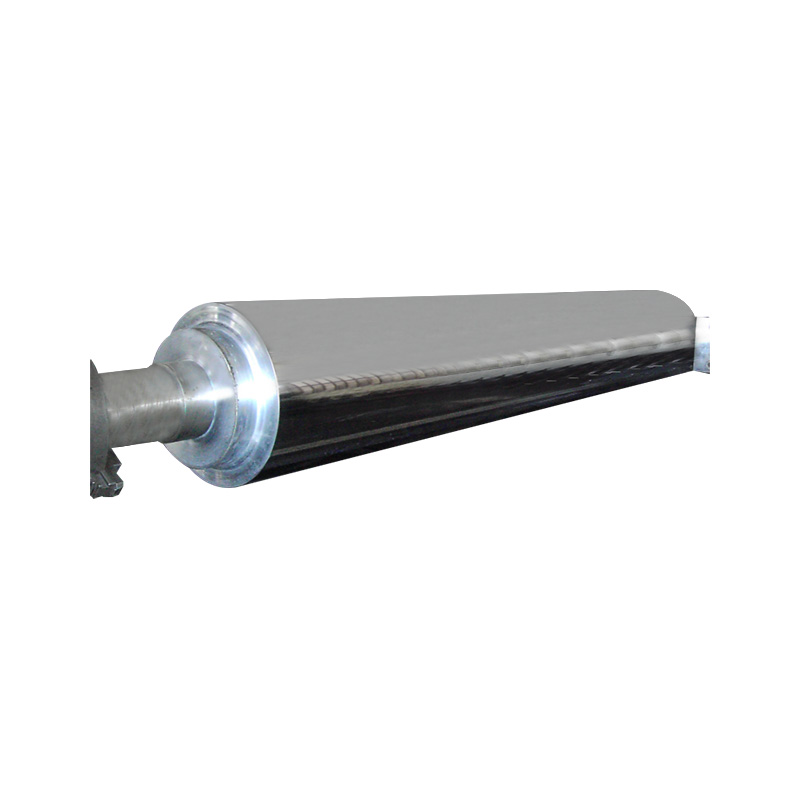 Heat-Resistant Centrifugal Casting Furnace RollerFor cylindrical furnace parts where alloy grade and casting controls matter, this heat-resistant roller supports molten-metal distribution and dimensional accuracy.View Product →
What to Specify on a Cobalt Casting Purchase Drawing
A purchase drawing should identify an exact cobalt alloy grade and the acceptance tests, not simply say cobalt based. The grade should be tied to a recognised specification, a customer standard, or a qualified internal specification with chemistry limits. Carbon range matters because it drives carbide volume, hardness, and crack sensitivity. Chromium range matters because it drives oxidation and corrosion resistance.
- Exact grade, chemistry limits, and whether the part is a solid casting or a weld overlay.
- Hardness in HRC, test location, and whether hardness is measured on the casting surface or a representative test bar.
- Heat treatment, stress relief, and cooling practice after casting or repair.
- Non-destructive testing: visual, dye penetrant, magnetic particle where applicable, radiographic or ultrasonic examination for critical sections.
- Dimensional tolerances, machining allowance, datum scheme, and acceptance criteria for surface defects.
- Repair policy, qualified welding procedure, filler identity, preheat, and post-weld heat treatment.
- Traceability by heat number, test certificate, first-article approval, and sample retention.
A common procurement error is to compare quotations without comparing the test package. One supplier may quote a sound casting with chemistry and hardness certification; another may quote a lower price with visual inspection only. For cobalt alloys, that difference is rarely a bargain.
Which Defects and Procurement Risks Matter Most
Porosity, thermal cracks, inclusions, and hard spots are the defects most likely to cause rejection, but grade substitution and unclear repair rules are the bigger commercial risks. Cobalt alloy castings are expensive enough that a failed first article can erase the value of a low piece price. The buyer should review the foundry's process control, not just its furnace capacity.
| Issue | Typical cause | Practical check |
|---|---|---|
| Gas porosity | Wet mould or shell, poor venting, gas in melt | Radiography, sectioning, mould moisture control |
| Thermal cracks | Restraint, fast cooling, abrupt section changes | Dye penetrant, design review, cooling procedure |
| Inclusions | Dirty melt, turbulence, loose sand or shell material | Machining exposure, ultrasonic or radiographic checks |
| Hard spots or segregation | Carbon segregation, uneven solidification, heat treatment error | Hardness mapping, metallography, test bar chemistry |
| Poor overlay bond | Surface contamination or unqualified weld procedure | Procedure qualification, bond inspection, repair records |
High-load bearing caps and similar parts show why grade, fit, and inspection should be bought together. A heat-resistant stainless steel bearing cap page is not a cobalt grade, but it illustrates the same discipline: material certificate, dimensional control, and NDT acceptance must match the service duty.
 Heat-Resistant Stainless Steel Bearing CapFor high-load bearing support where material certificates, dimensional control, and inspection acceptance must match service duty, this stainless steel cap is worth reviewing.View Product →
When Heat-Resistant Steel Castings Are the Better Buy
For many furnace, kiln, and cooling duties, heat-resistant steel castings are the practical lower-cost choice when cobalt is not mandated by the specification. If the wear mechanism is moderate, the temperature is within the alloy's oxidation limit, and the part can tolerate periodic replacement, a cobalt premium may be hard to justify. The correct comparison is total cost per operating hour, not material cost per kilogram.
Xinghua Jinniu Machinery Manufacturing Co., Ltd. produces heat-resistant, wear-resistant, and corrosion-resistant alloy steel castings through lost foam, resin sand, silica sol lost wax, and centrifugal processes. Its alloy steel casting product range covers heat-treatment tooling, furnace rollers, grate cooler parts, kiln protection plates, and sealing strips. These are not a substitute for a cobalt grade when the drawing requires one, but they are a sensible benchmark for cost, lead time, and replaceable-part strategy. For kiln and cooling applications, the lost foam cast heat-resistant components route is often worth reviewing.
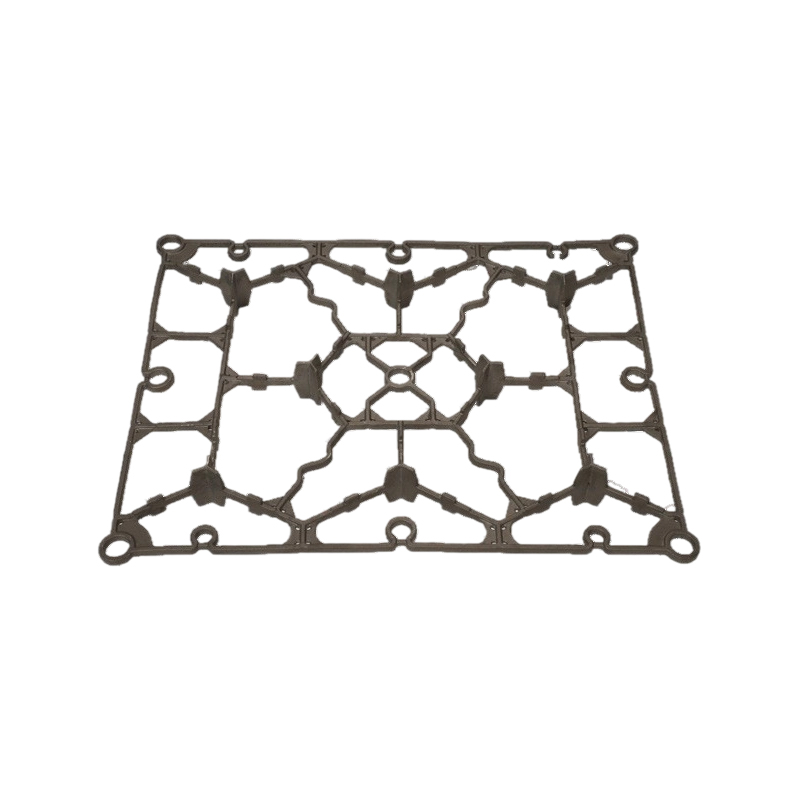
Grate cooler parts are a good example. If the duty is hot abrasion with repeated thermal cycling, the right heat-resistant steel grade and casting process can deliver a predictable wear life at a fraction of the cobalt cost. The decision should be based on measured wear rate, temperature profile, and shutdown cost.
 Heat-Resistant Steel Grate Cooler ComponentsFor hot abrasion and repeated thermal cycling in grate coolers, these heat-resistant steel grate plates, bars, and liners support cooling and wear protection.View Product →
FAQ
Are cobalt-based castings the same as cobalt superalloys?
No. The term covers both wear-resistant cobalt-chromium castings and high-temperature cobalt superalloys. A wear grade may be selected for galling and hot hardness, while a superalloy grade may be selected for creep and oxidation resistance. Always ask for the exact grade and specification.
Can cobalt-based castings be welded or repaired?
Yes, but only with a qualified repair procedure. Uncontrolled welding is a common source of cracks in cobalt alloys. The supplier should define preheat, filler identity, interpass temperature, post-weld heat treatment, and inspection after repair.
What hardness should I specify?
Specify hardness by grade and application, not by a single generic number. Wear grades may fall in a broad HRC range depending on carbon and carbide formers. Too hard can mean poor crack resistance; too soft can mean short wear life. State the test location and acceptance method.
How can I verify a supplier before placing an order?
Verify the exact grade chemistry, test bar practice, NDT capability, heat treatment control, and traceability before comparing price. A supplier with ISO 9001:2015 and ISO 14001:2015 certification, such as Xinghua Jinniu, gives a useful baseline, but the grade-specific qualification package still matters.
Practical Takeaway
Buy cobalt-based castings by grade and service duty, not by label. Define the wear mode, temperature, repair policy, and acceptance tests; then compare cobalt, nickel-based, and heat-resistant steel options on total operating cost. If cobalt is not mandatory, a well-controlled heat-resistant alloy steel casting is often the more economical route, provided the drawing, grade, and inspection requirements are equally clear.